

旨在优化干燥过程的面食制造中的更高级创新
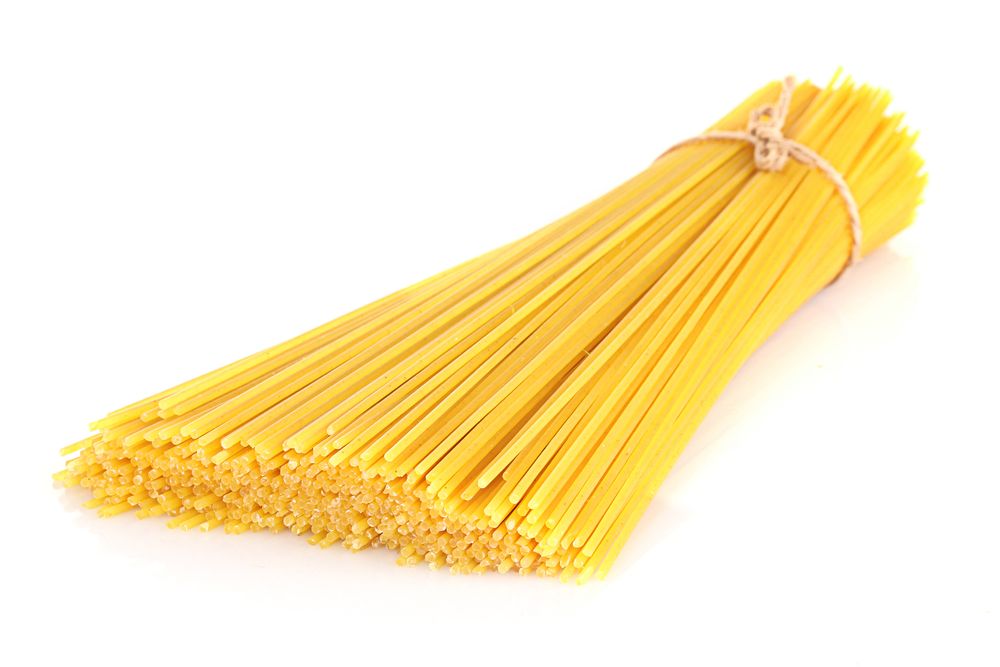
使用具有良好特性的原料代表了生产高质量面料的关键步骤。尽管如此,整个生产链大大影响了这种质量:在过去的几十年中,在识别过程中发生的一些现象,特别是在干燥时,已经取得了相当大的进展。INFACT,已针对意大利面制造的更高级的创新来优化此过程。Drying is the elimination of a liquid, normally water, from a substance or a solid body: if the water is inside it, the methods of drying will depend on the body’s physical and chemical properties, in particular on the characteristics of the body at issue. This is the case that concerns drying pasta, in fact drying is the most difficult and critical step to control in the pasta production process. The objective of drying is to lower the moisture content of the pasta from approximately 31% to 12-13% so that the finished product will be hard, retain its shape, and store without spoiling. However, the essential prerequisite for the pasta is not only to be dry, but also to have been dried properly; this means that, besides being dry, pasta needs to be “stable”: its internal moisture content must be remaining uniform. Since the outside surface of the pasta dries more rapidly than the inside, moisture gradients develop across the surface to the interior of the pasta. If dried too quickly, the pasta will crack, giving the product a poor appearance and very low mechanical strength. On the contrary, if the pasta is dried too slowly, it tends to spoil or become mouldy during the drying process. When drying cycle has been successful, the pasta will be firm but also flexible enough so that it can bend to a considerable degree before breaking. So, the most significant physical states for pasta drying technology are the moisture and temperature of the air and the humidity and temperature of the product. Very briefly, drying pasta means modulating and properly controlling the evaporation of water from the product, using heat and ventilation. In general, the drying process can be realized by two different methods, that correspond to the plastic and elastic states of the product: the best results are obtained by applying a preliminary low drying temperature to reduce the pasta moisture, followed by a high drying temperature.
塑料和面食的弹性状态
在离开模具时,意大利面通常有大约31-32%的水分含量,处于“塑料状态”。处于塑性状态的面团在模具的作用下变形,当模具的压力停止时,得到的形状不会改变。然后,意大利面可以进行甚至强力干燥,而不会造成任何内部紧张和损坏的风险;此外,由于提取水所遭受的变形也将得到维持。当继续干燥时,产品的水分含量进一步下降(22-18%),意面的状态从塑料变为弹性。在这种新的状态下,产品的行为是完全不同的:意大利面在应力作用下会变形,但一旦应力停止,往往会恢复原来的形状。应力除了引起变形外,还会在产品内部产生张力:如果张力在产品弹性的特定范围内,就会被其自身的弹性精确吸收。这两种不同的产品物理状态决定了工艺的细分为两个基本阶段,称为预干燥和干燥;最后,稳定产品是至关重要的。

干燥过程
在第一阶段,产品的水分含量从30-32%达到18-17%;此阶段所取的时间取决于几个变量:温度是主要的。在预干燥期间,用最高速率从产品中提取水。此外,这种预干燥技术使得可以获得不同的目标:例如某些酶活性的部分堵塞,并且几乎完全堵塞任何发酵产品;然后它允许均匀的蛋白质分布使得面筋容量阻挡淀粉颗粒。此外,这种预干燥可以减少粗面粉中所含的黄色颜料的氧化,因此提供干燥的产品的更亮的颜色。最后,该阶段可以提供更好的形状稳定性并维持产品的毛细度,在此过程的过程的以下步骤期间将水粒子重新分配。干燥的第二步必须设想从表面和内部再分配的水中蒸发的交替相。现在,环境温度和湿度通常会降低,明显符合产品的当前温度和水分。该阶段的速度不可避免地小于预干燥,因为产品的结构,通过到弹性状态,已经变得更加刚性,毛细管作用减少,因此剩余的水颗粒的迁移是 slower. Putting these considerations into practice, there is the need to alternate phases of drying with phases of “re-hydration”. Thus means a long time, differently from the corresponding procedures implemented during pre-drying. The main aim is to avoid that the outside surface of the pasta dries up too much and too quickly, a result obtained by keeping the three components in functional balance: air temperature, air humidity, and ventilation flows.
创新技术和利益
在过去的几十年里,所谓的高温(HT)干燥技术被面食制造商广泛应用。在低温干燥过程中,高温干燥可以改善面食的颜色和硬度,降低蒸煮损失,提高蒸煮重量,减少粘稠度,降低膨胀性和粘附性。因此,在高温干燥的面食中,淀粉的损伤程度较低,这可能是由于淀粉水解酶的活性较低,所以我们有理由认为,提高淀粉的热稳定性对面食的烹饪性能有积极的影响。在原料质量方面,如果将面食在高温下进行干燥,则可以认为是一个非关键参数,使用低面筋含量的小麦粉也可以获得良好的烹饪品质面食。此外,微生物总数减少,干燥时间缩短,植物生产力提高。综上所述,随着干燥温度的升高,意大利面蒸煮过程中的品质特性有所改善。然而,为了不失去高温在意大利面干燥中的技术优势,控制热损伤是很重要的,特别是使用适当的工具,如热电阻测量温度和干湿计(一种可以确定相对湿度的仪器),或者使用电容电阻探头来控制相对湿度和温度,因为这两个参数,如前所述,是实现这一过程的关键。
经过阿里安娜又,Istituto di Enologia e Ingegneria Agro-Alimentare,UniversitàCattolicadel Sacro Cuore - Piacenza
参考文献
•Alamprese等。,“巴氏杀菌热处理对新鲜鸡蛋面的流变和蛋白质结构特征的作用”,欧元。食物res。Technol.,221,759-767,2005。
•Anese等人。,“干燥加工对面食中美丽反应的影响”,食品研究国际,32,193-199,1999
•Baiano等人.,“干燥温度对意大利面条蒸煮品质的影响”,食品工程学报,76,341-347,2006
•De Cindio等。,“高品质面食生产的造型”,化学工程和材料系,第三次国际食品流变与结构研讨会
•de noni和pagani,“干意大利面的烹饪性能和热损伤,受原料特征和加工条件的影响”,食品科学和营养,50,465-472,2010
•Guler等人。,“工业意大利面干燥温度对淀粉特性和意大利物质的影响”,食品研究国际,35,421-427,2002
•Lamacchia等人。,“由干燥周期引起的意大利面蛋白质的变化及其与烹饪行为的关系”,谷物科学杂志,46,58 - 63,2007
•Mariotti et al。,“对各种面粉的粘贴特性造成加热率的兴起”,食品科学和微生物学系,57,564-572,2005
•辛格和macritchie,“通过高温加热谷蛋白分散体诱导的蛋白质的变化”,谷物科学杂志,39,297-301,2004
•Wyland和D 'Appolonia,“干燥温度和Farina融合了意大利面条质量的兴起”,谷物化学和技术部59,199-201,2003
•www.professionalpasta.it.


玉兰油
很酷的文章,这是鼓舞人心的。
你好,
伟大的文章。我们是KY路易斯维尔的一位非常小的面食生产商。然而,我们的一个大绊脚石一直在干燥。我们控制了整个房间,但随着文章的建议,随着干燥和湿度平衡的温度斗争。我们已经在4年内进行了测试过,最后发现了每种形状的干燥配方。对此有任何其他建议的阅读你会建议吗?
亲切的问候
Linnea
Cavallo Nero Pasta.
我偶尔会承办一些活动,也曾打算从XXXXX购买一台小型商业面食机,比如多利II。尽管这台机器很小,但它一天能做的意大利面比我一周做的任何事情所需的都要多。我想找到一个小型商业烘干机单位(如果存在)或计划建立和运行我自己。我对大规模生产不感兴趣。我经常做非常有限的实验,每次只改变一个量,直到我得到我想要的东西。有看过这些帖子的人知道这样的机器或计划吗?提前致谢。
我偶尔会迎合赛事,并一直濒临购买小型商业意大利面制造商,如Dolly II。尽管这台机器很小,但它一天能做的意大利面比我一周做的任何事情所需的都要多。我想找到一个小型商业烘干机单位(如果存在)或计划建立和运行我自己。我对大规模生产不感兴趣。我经常做非常有限的实验,每次只改变一个量,直到我得到我想要的东西。有看过这些帖子的人知道这样的机器或计划吗?提前致谢。