盐是奶酪加工的关键成分。它使乳清的驱逐更容易,控制微生物生长,影响产品味道,香气,流变学和质地。盐导致水分通过渗透效应和通过蛋白质的改性排出。渗透压可以比作凝乳表面吸入的渗透,导致抽出的水分。Para酪蛋白酸钠的钠对钠的交换对奶酪稠度有利影响。盐直接影响酶活性和生化变化,如糖酵解、蛋白质水解、脂解和酪蛋白副水合作用发生在成熟过程中。它能减少腐败,防止病原体滋生。精确控制奶酪中盐的摄入和分配是奶酪制作过程中确保一致、最佳质量的重要组成部分。影响直腌干酪含盐量的因素有:腌制速度、凝乳温度、凝乳含水量、凝乳尺寸、凝乳保存深度、凝乳pH值、盐与凝乳的混合程度、腌制至挤压的时间和腌制工艺。
 腌制技术
腌制技术
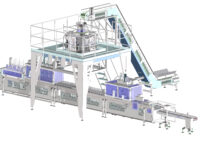
在凝乳形成后腌制奶酪有两种主要技术以及以下营养作用。在干燥的盐盐中,盐在奶酪被压下后散射,并且通过干燥空气或通过在加热的房间中居住,水分程度尽可能地降低了水分。压制奶酪。当加入干盐以在凝乳块的表面上研磨或擦拭时,从奶酪的表面中提取水分以溶解盐晶体。在必须在凝乳中尽可能地均匀地散布,然后搅拌几分钟。表面上的盐慢慢进入奶酪。与奶酪表面的浓缩盐水接触,酪蛋白收缩排出乳清并产生一定的外皮。这种自由乳清溶解盐晶体并产生盐水溶液,该盐水溶液在凝乳的表面上铺展。可以手动或机械地进行干燥盐。有各种方法可以机械地在凝乳上分配盐。 Equipments can be fed manually or they can be included in an automatic line. After removing any moisture in excess, the curd is cut, the resulting chips are then treated with salt booms. Salt is evenly blown on both faces and edge of the cheese. The salt boom can be controlled by an ultrasonic level transmitter that measures the curd depth and controls the amount of dry salt distributed onto the curd chips. Washed-rind cheeses are treated at regular intervals during their maturation, to prevent the formation of mould and maintaining the rind soft.
 盐水盐渍
盐水盐渍
盐水腌制用于治疗大片奶酪。各种类型的盐水腌制系统可用,从非常简单的方式到技术上是非常先进的。尽管如此,最常用的系统是将奶酪放在盐水VATS中。当形状乳酪在饱和盐水中灌注时,在重新生产过程中,产品发生了许多临界变化。盐被吸收到奶酪中,而乳清被驱逐出来。这种乳清的驱逐对于最终产品中适当的水分控制至关重要。
盐水可以保持在不同类型的容器或浴缸中
我们仍然发现盆地制成的砖块。盆地是人类的高度,使工人放入或转动奶酪舒适。内外,它们覆盖着瓷砖,以简化清洁操作。玻璃纤维VATS也用作奶酪的盐盐容器,但更先进的系统可以是不锈钢,尽管盐水与钢接触可以产生腐蚀问题,取决于pH,盐浓度和温度。可以以各种方式进行重生:在“河流”系统中或混合系统中的机架系统中进行。由于奶酪的浓度小于盐水并倾向于漂浮,以确保整个盐浓度均匀,它应保持在盐水水平下。单一模具可以浸入松散或排名和笼子上,带架子将留在架子上,不要漂浮。适用于大规模生产的机架系统。架子由多个不锈钢架子组成,搁板在其中具有穿孔,用于通过架子的自由流动和奶酪块。排名通过顶部安装的起重机系统自动或手动运输到盆地。 A cluster of pressure valves will secure the same pressure regardless of the number of stacks and ensure that moulds do not emerge from brine. At the end of the desired salting time the ranks are taken to an unloading station and transported to the packing line. This system is space saving and transportable, plus secures a uniform salting of many cheese types, it can be an exception for the very soft cheese that in the trays can be deformed. Other solution is based on continuous flow of brining solution that surrounds blocks of cheese placed in trays. The trays can be made of ABS (plastic of high mechanical resistance). The trays are piled into static stacks, the brine flow enters each consecutive tray, starting from the top, throughout cheese containing trays to the flat bottom drainage station. In river – type automatic system, moulds are convoyed to brine and plunged. The flow degree is correlated to the dwelling time of the cheese in the brine, as the newer mould pushes the older toward the end of the container. After the resting time in brine, the cheese is automatically extracted from the salting basins by a discharge belt conveyor. The use of a inclined and porous belt allows the continuous separation of product from brine with minimal disruption of the brine flow.
保留盐水和奶酪
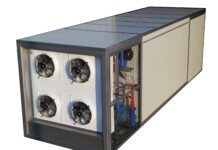
干酪所吸收的盐分会显著影响其质地、物理特性和风味特性。因此,必须对卤水和卤水操作进行良好的控制,以确保获得始终一致的产品。该系统需要一个过滤设备来去除凝乳颗粒和游离脂肪。盐必须定期加回来,以保持所需的盐计水平,因为盐浓度不断下降,盐水被来自奶酪的乳清稀释,因此,最好不要在大桶里塞满奶酪模具。在某些条件下,特别是在开始的时候,油腻的奶酪会导致盐水中过高的pH值。控制盐卤水的含盐量和pH值是必要的,可以用盐和盐酸进行调节。盐水必须保持温度,并不断搅拌,以防止密度分馏(低浓度的盐水在上面)和稀释的奶酪周围的盐水。搅拌在盆是由空气吹或通过旋转刺穿玻璃纤维或钢托盘。虽然在盐水中储存会导致不良污染物的数量减少,但维护不善的盐水罐会成为耐盐病原体的污染源。应该定期监测盐水中酵母菌的数量和李斯特菌的污染存在,因为它们可以忍受高达20%的盐浓度。由于盐卤水处置费用昂贵,且因含盐量高经常被禁止,盐水必须定期进行巴氏杀菌或过滤清洗,如果是微过滤最好。 UV sterilization combined with filtration is also used. These procedures decontaminates and restores brine to his original form. The expulsion of whey into the brine dilutes the salt concentration and causes an increase in volume of salt brine solution. To overcome the dilution of brine can be used concentrators that eliminate the excess water in form of vapour.